
NVIDIA Introduces New Controls for AI Agents—and Why Businesses Should Pay Attention

AI assistants are increasingly able to do more than answer questions. They can edit files, run software, access business systems, and carry out tasks with limited human supervision. That makes one question increasingly important: how do companies keep those actions within clearly defined boundaries?
On September 28, NVIDIA announced Open Agent Safety Platform, combining software controls with a reference hardware architecture designed to help organizations monitor and restrict autonomous AI agents. Source: NVIDIA announcement
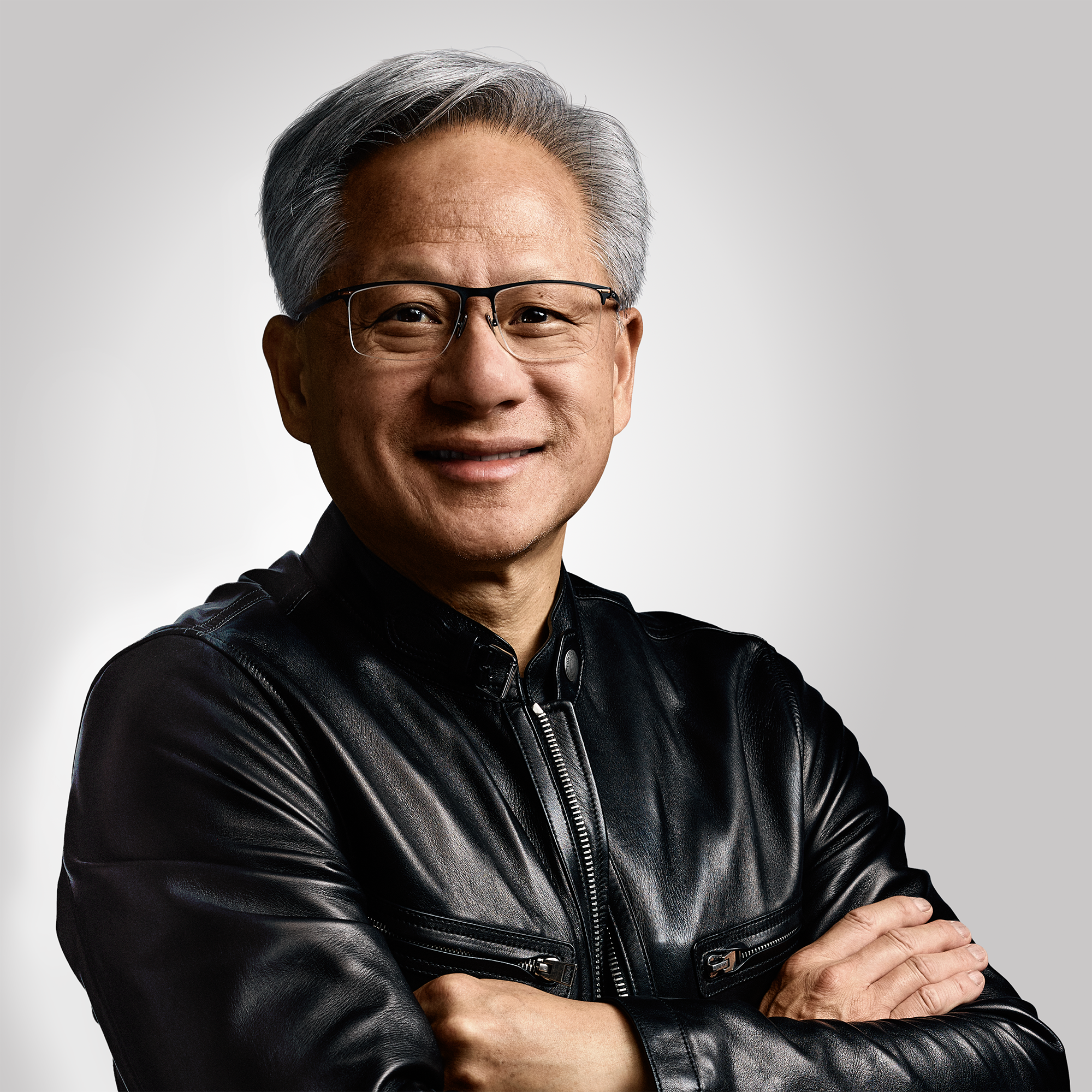
Jensen Huang, NVIDIA founder and CEO. Official portrait. Photo source: NVIDIA.
At the software level, NVIDIA OpenShell provides an isolated environment for agents and governs their access to resources. Organizations can establish permissions for files, network connections, and tools, while recording access decisions for later review.
The key principle is that these controls operate outside the agent’s own process. Security therefore depends on enforced permissions rather than the agent’s willingness to follow instructions. NVIDIA positions OpenShell as an additional layer that works alongside existing identity, monitoring, and security systems. Source: NVIDIA OpenShell
The platform also includes NVIDIA Sentry, an additional monitoring and enforcement layer running on BlueField-4 data processing units. According to NVIDIA, Sentry can quarantine and stop agents that attempt to move beyond their permitted boundaries within milliseconds. This is a manufacturer claim; its effectiveness in a particular deployment will depend on implementation and testing. Source: NVIDIA announcement
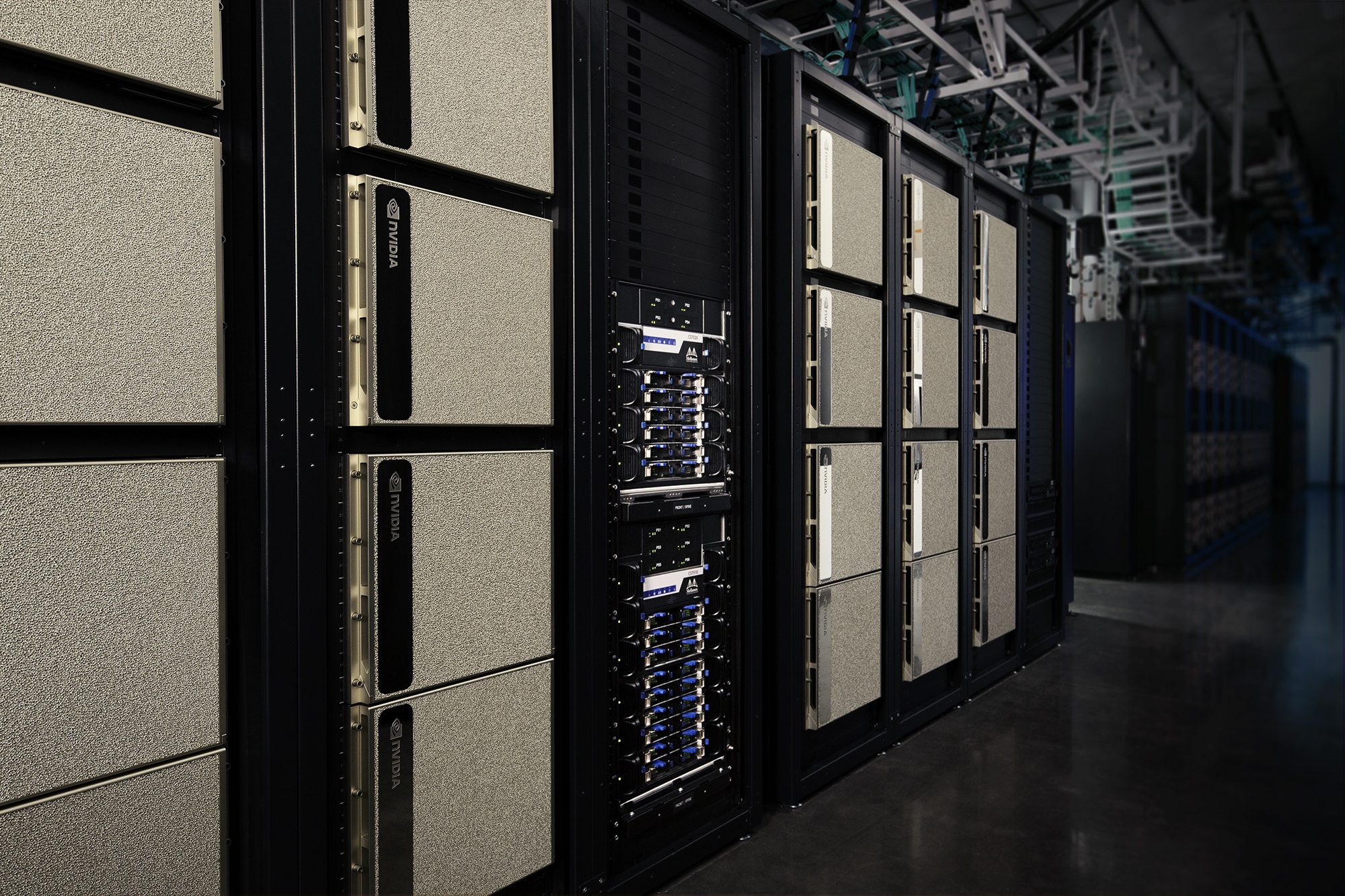
Archival photograph of NVIDIA DGX SuperPOD infrastructure, shown for context. It does not depict the newly announced safety platform. Photo source: NVIDIA Newsroom.
The significance for businesses is practical: greater autonomy requires clearly defined authority.
Consider an AI assistant preparing customer proposals. A company might allow it to read a product catalog and create drafts while restricting access to payment records or preventing connections to unapproved websites. This is an illustrative use case, rather than a claim about an available integration with a specific business application.
NVIDIA’s technical explanation describes a layered approach spanning applications, the agent runtime, and infrastructure. Independent controls are intended to help detect departures from the assigned task and support intervention when needed. Source: NVIDIA Technical Blog
For organizations adopting agents, the implication is that security should become part of task design. Teams need to decide what an agent may read, change, execute, or share—and which actions require human approval. Activity records can then help investigators understand what happened when something goes wrong.
NVIDIA says more than 100 organizations are working with the platform’s technologies, including Microsoft, Cisco, CrowdStrike, and Salesforce. Participation does not mean every announced integration is already available to every customer. Source: NVIDIA announcement
The platform’s long-term value will depend on real-world results: how reliably it enforces boundaries, how often it interrupts legitimate work, and how effectively it supports incident investigations. For businesses already delegating tasks to AI, the announcement highlights an immediate priority: deciding exactly how much freedom their digital workers should have.